The Meaning of Culture in Modern Society
Throughout the development of human society, culture has always played a vital role. It is not only a symbol of national spirit but also the cornerstone of individual identity. With the passage of time, the connotation and scope of culture continue to expand and deepen.
Throughout the development of human society, culture has always played a vital role. It is not only a symbol of national spirit but also the cornerstone of individual identity. With the passage of time, the connotation and scope of culture continue to expand and deepen.
The Diverse Meanings of Culture for Modern Humanity
- Spiritual Sustainment and Emotional Resonance
Culture provides modern people with a rich spiritual foundation. Whether it's religious beliefs, works of art, or traditional festivals, they all embody people's yearning for a better life and their nostalgia for past history. These cultural activities can stimulate emotional resonance and enhance individuals' sense of belonging and happiness.
- Identity and Social Integration
Culture is a crucial symbol of individual identity in modern society. By learning and inheriting one's own national culture, people can better understand themselves and develop unique personal traits and social roles. Culture also promotes social integration and harmony, strengthening national cohesion and centripetal force.
- Knowledge Transmission and Innovation
As a carrier of knowledge, culture has the functions of transmission and innovation. Through cultural activities such as education, art, and science, people can continuously accumulate new knowledge, skills, and ideas, driving social progress and development. Furthermore, cultural innovation is a key driver of modern social development, inspiring people's creativity and imagination and promoting the emergence and application of new technologies.
- Behavioral Norms and Value Orientation
Culture provides norms and guidance for human behavior. Through cultural inheritance and education, people understand and adhere to socially recognized moral codes and behavioral norms, thereby maintaining social order and stability. Culture also shapes people's values and lifestyles, guiding them to pursue truth, goodness, and beauty, and to achieve self-improvement and social progress.
- International Exchange and Global Vision
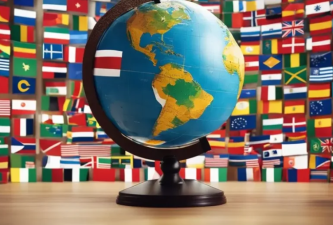
In the context of globalization, culture has become a vital link connecting different countries and regions. Through cultural exchange and cooperation, people can enhance mutual understanding and friendship, promoting world peace and development. Culture also broadens people's global perspectives, increasing their awareness of global issues and challenges and enabling them to jointly address the common destiny facing humanity.
Conclusion
In summary, culture holds multiple meanings for modern humanity. It not only provides spiritual sustenance and emotional resonance, but also promotes identity and social integration, knowledge transfer and innovation, and the formation of behavioral norms and value orientations. In today's increasingly globalized world, culture has become a bridge and bond connecting different countries and regions. Therefore, we should cherish and protect cultural heritage, actively promote cultural exchanges and cooperation, and jointly build a community with a shared future for mankind.